class: center, middle, inverse, title-slide # How to write an economics paper ## What they do not tell you ### Jose Fernandez ### University of Louisville ### updated: 2020-09-15 --- class: center, middle # The Question --- ## The Question All research starts with a question. Answering questions is how we create new knowledge. <!-- --> --- ## A short tangent by Matt Might Imagine a circle that contains all of human knowledge: <!-- --> --- By the time you finish elementary school, you know a little: 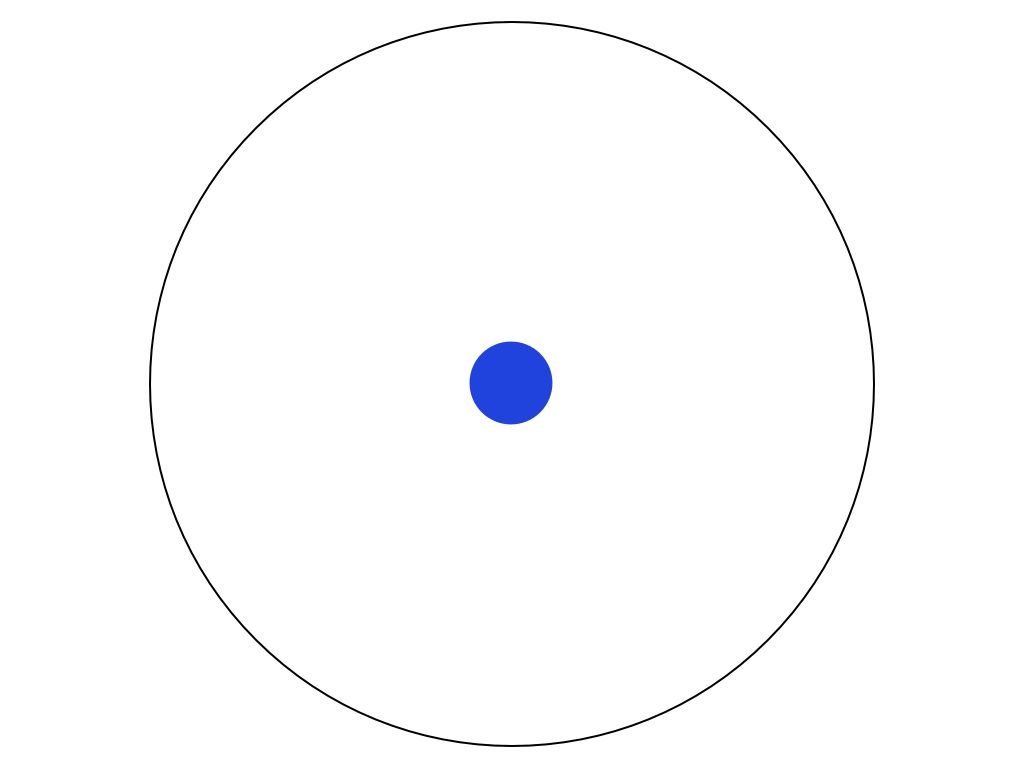<!-- --> --- By the time you finish high school, you know a bit more: 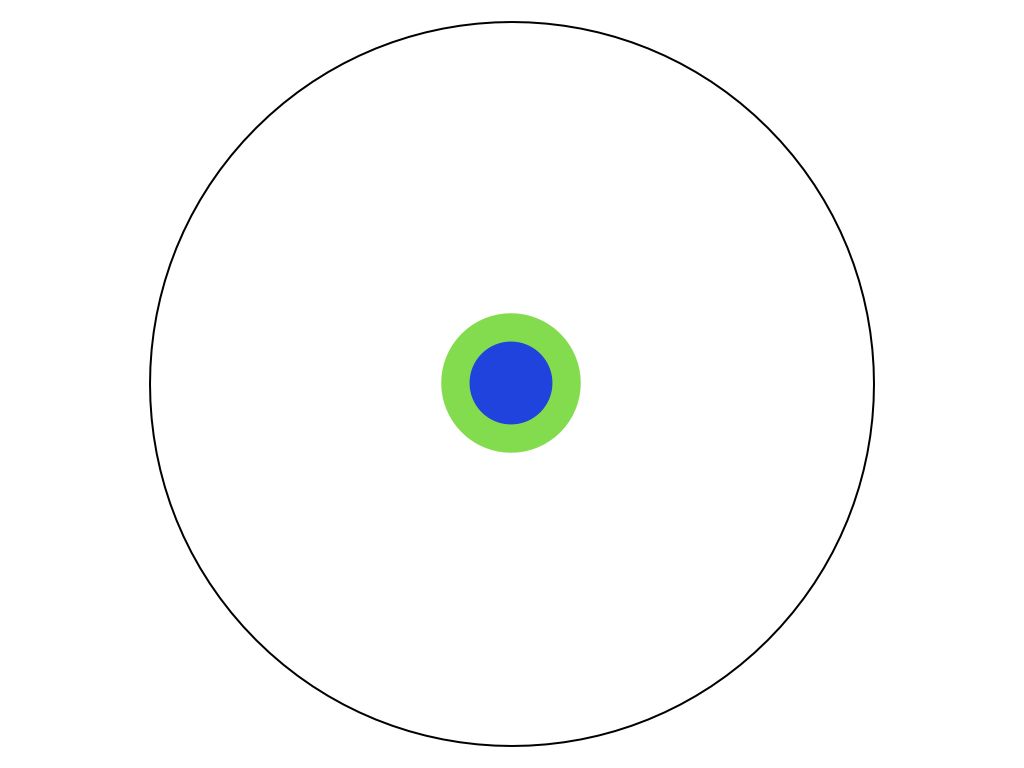<!-- --> --- With a bachelor's degree, you gain a specialty: 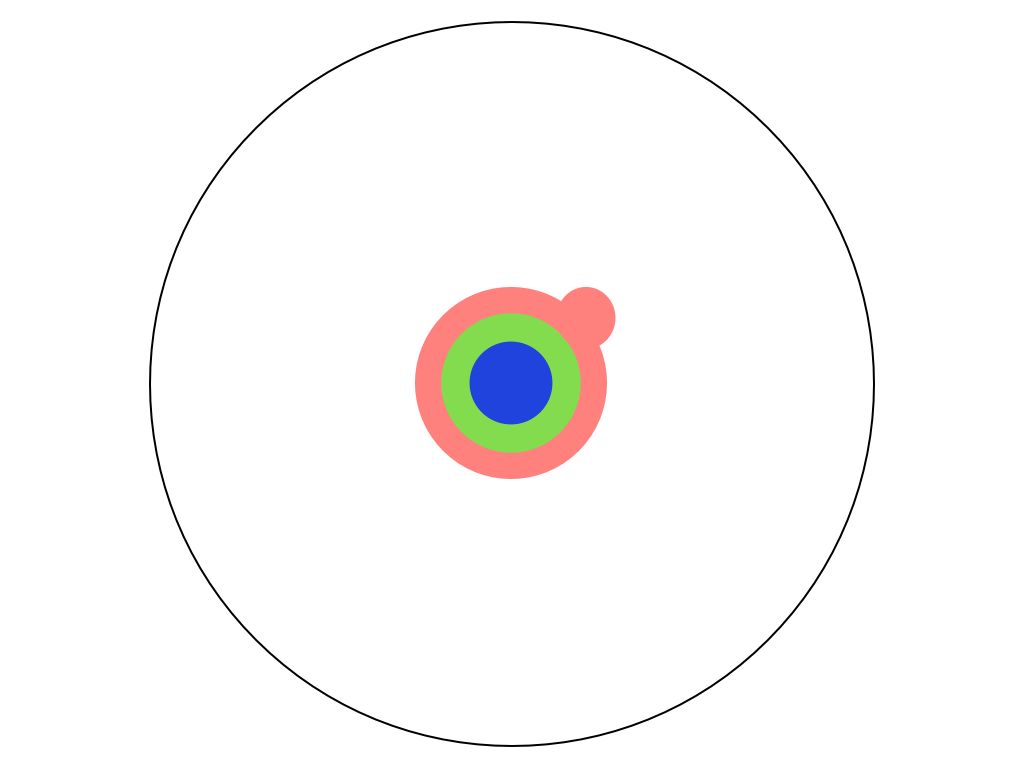<!-- --> --- A master's degree deepens that specialty: 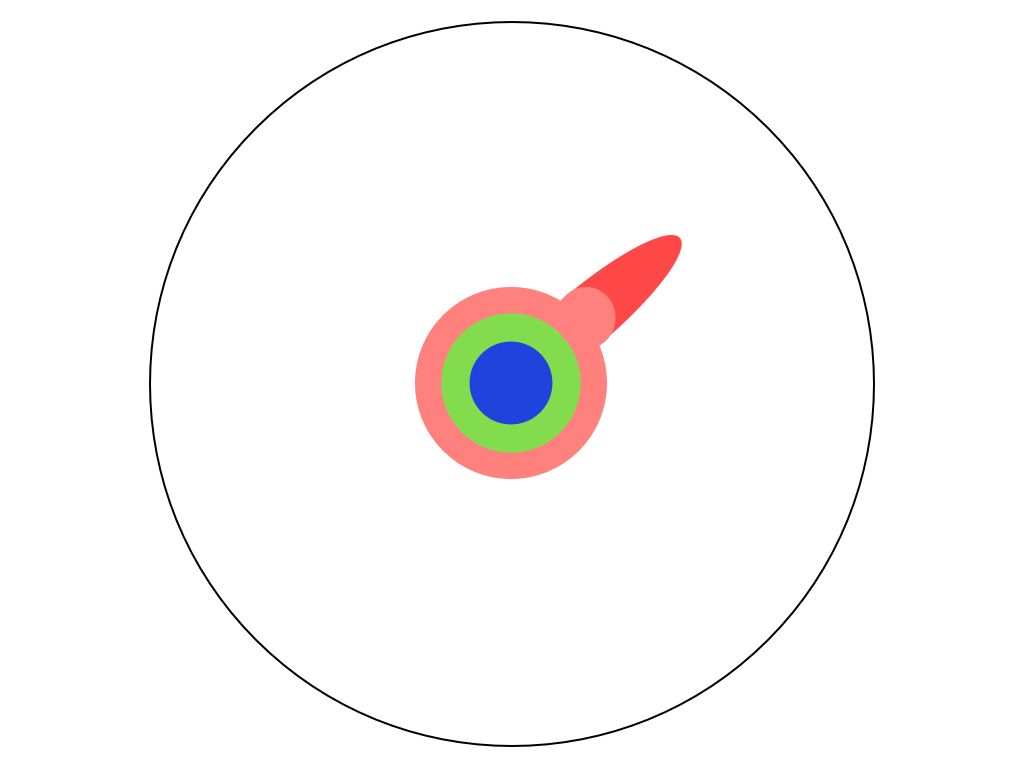<!-- --> --- Reading research papers takes you to the edge of human knowledge: 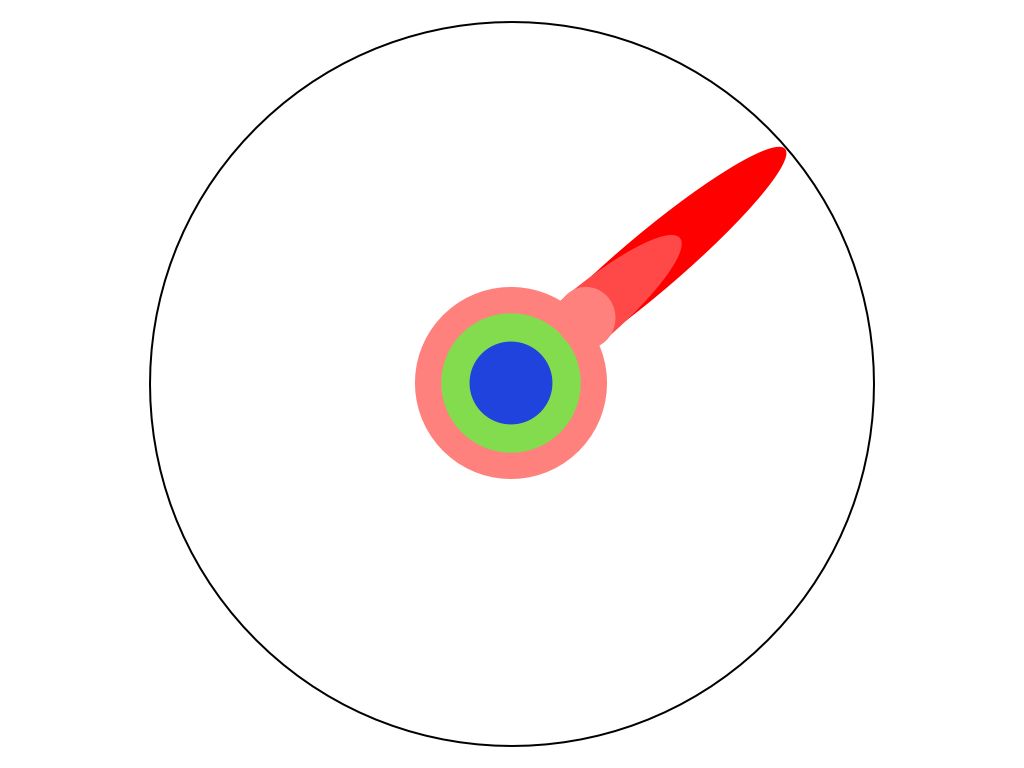<!-- --> --- Once you're at the boundary, you focus: 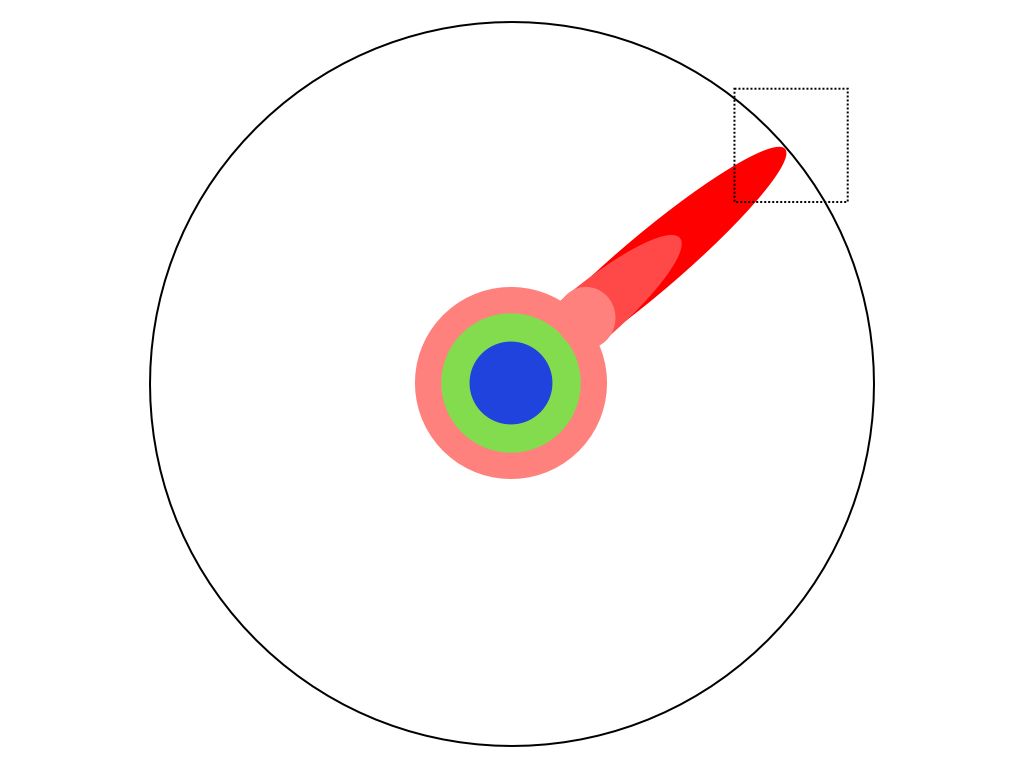<!-- --> --- You push at the boundary for a few years: <!-- --> --- Until one day, the boundary gives way: <!-- --> --- And, that dent you've made is called a Ph.D.: 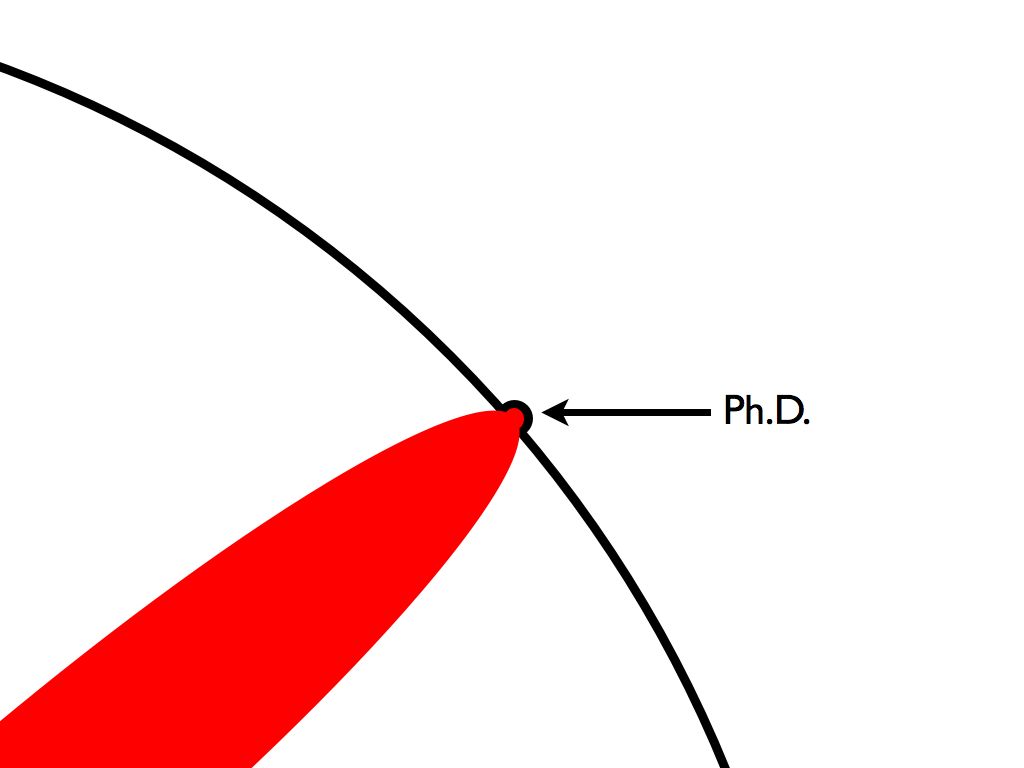<!-- --> --- Of course the world looks different to you now: <!-- --> --- So, don't forget the bigger picture and keep pushing: 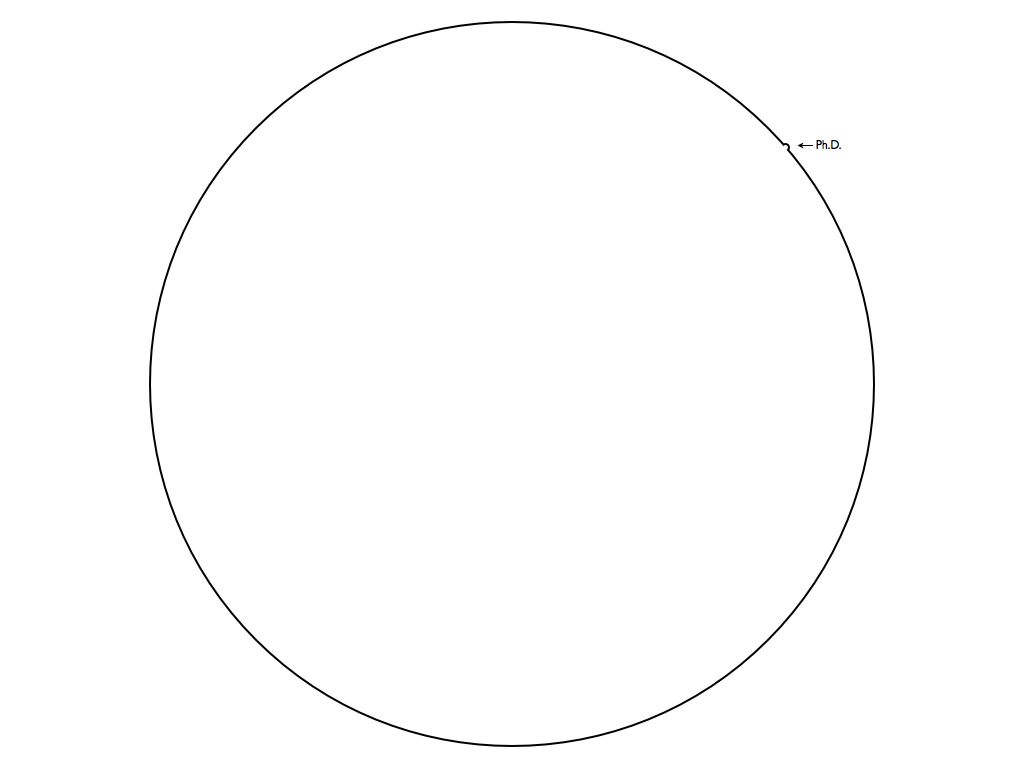<!-- --> --- ## What they don't tell you I struggle, even to this day, doing research because I am trying to find the question that no one has asked, but once heard you immediately want to know the answer. - These a ground breaking ideas - These types of questions start new fields - These types of questions change the world But that is not how most research is done. --- ## If it is new . . . There is an old saying in economics. __"If it is good it's not new and if it is new it's probably not good."__ What this means is that most of the good questions have already been asked (diminishing returns). What you need to do is ask yourself if these questions have been answered? - Can new data shed light on the question? - Has the answer to the question changed over time? - Do we get the same answer in a different environment? - Can we break this large question into smaller questions? _The key component of an empirical question is when economic theory provides conflicting predictions._ --- # Ok, so what should I do? - Study what interests you. * You will not work hard enough, or smart enough, otherwise. - Talk to people about research all of the time. * You may be surprised what new things you find out simply by talking with other people about your ideas. - Be persistent and do not get discouraged. * I have been rejected 9 times this year! What I haven't told you is that I have paper accepted and another received a revision request. I have a third siting on an editors (probably will be rejected too, but I can hope). - Perfection is a standard that can never be achieved. * Work until expected MB = expected MC of continuing. - The research process is non-linear. * Analysis is find the answer * Research is telling a story to communicate your analysis. --- # Advice I want you to think back to your favorite class in college. - What made you interested in that class? - What is something specific about that class you remember? - Is there something in that class you wish you could learn more about? - Now concentrate on that topic and ask yourself if there is a human who had to make a decision where they had to consider benefits versus cost? If the answer is yes, then you may have a topic. --- # What do I write about Some things people would expect from me - Minimum wages - Pricing Strategies - Entrepreneurship What you might not expect - meth labs - prohibition - illicit drug use - crime - suicide - autism - child abuse - Other mental and physical disabilities --- # Research process ## Literature Review I will assume at this point you have a question. Since all good questions are not new, you need to search for how other people have answered your question. I like using [Google Scholar](scholar.google.com) --- ## Google Scholar  --- ## Obtaining Data We live in a data rich world. There is so much data at your finger tips and much of it has been cleaned for you. Some website - [NBER](https://data.nber.org/data/) - [ICPSR](https://www.icpsr.umich.edu/web/pages/) - [Quarterly Census of Employment and Wages](https://www.bls.gov/cew/) - [Federal Reserve Data](https://fred.stlouisfed.org/) - [Regional Economic Accounts | U.S. Bureau of Economic Analysis](https://www.bea.gov/data/economic-accounts/regional) - [PSID](https://psidonline.isr.umich.edu/) - [Behavioral Risk Factor Surveillance System ](https://www.cdc.gov/brfss/index.html) - [Open Louisville](https://data.louisvilleky.gov/) - [FBI Uniform Crime Reports](https://www.ucrdatatool.gov/) - [General Social Survey](https://gss.norc.org/) - [Health and Retirement Survey](https://hrs.isr.umich.edu/data-products) - [US Census](https://usa.ipums.org/usa/) - [Medical Expenditure Panel Survey](https://www.meps.ahrq.gov/mepsweb/) - [CDC Wonder](https://wonder.cdc.gov/) - [Many, Many, more](https://sebastiantellotrillo.com/resources) --- ## Analysis - Provide Descriptive Statistics of the variable you use - Be sure to describe the data source for all the variable you use in the Data section of your paper - Choose the appropriate model for your analysis. For most students, this will be some type of regression model. - Show that your results are robust. * You can do by starting with a simple variable that captures the primary relationship you want to show between two variables. * Gradually, add additional controls and show how the coefficient of interest changes. --- ## In what order should I write my paper This is the order I write my papers 1. Data 2. Model and Results 3. Literature Review 4. Conclusion 5. Introduction 6. Title/Abstract --- ## Why write the Introduction near the end? The Introduction is the most important part of your paper. __You have about half a page to convince a reader that it is worth their time to read the rest of your paper.__ In the first half a page, you must tell your reader - what your research question is; - why is this question important; - what is your answer - and why your answer matters. The Abstract and title are just miniature versions of the introduction. Imagine having to describe your paper on Twitter, then you would have a good sense of what an abstract should be. --- ## Our paper in this class Phase I: Your research question. Phase II: Get's you started on your literature review. Phase III: Get's you started on your data and results section. Phase IV: Is the entire paper --- ## Writing Tips 2,500 words is not a lot. You need to be very efficient with your words. However, much of high school and college has trained you to do the opposite. 1. Use a professional, factual tone. - You shouldn’t write like a journalist or an opinion piece author — you are not trying to persuade the reader with your tone, but rather with your facts. 2. Use the present tense. - I have always been told that literature is alive. 3. Use short sentences. - Use sentences which are short and to the point. When in doubt, split a longer sentence into two to make it more readable. 4. Use the active voice, not the passive voice. 5. Dates for citations go in parentheses. - This differs between fields, but in economics, the norm is “Smith (1970) finds that…” rather than “Smith found in a 1970 paper that…” 6. Use footnotes. 7. Know when to cut. 8. Read economics paper and mimic the style. 9. Pet peeve: Do not leave "This" and "These" hanging without following the word with a noun. This what?