Italy National Team [@azzurri]. (n.d.). Instagram profile.
Instagram. Retrieved 26 October 2025, from https://www.instagram.com/azzurri/
Bhwana, Garda Petir. (2025, October 12). Indonesia’s World Cup
hopes lost: National team played better against Iraq than against Saudi
Arabia. Tempo. https://en.tempo.co/read/2056470/indonesias-world-cup-hopes-lost-national-team-played-better-against-iraq-than-against-saudi-arabia
Gelade, G. A., & Dobson, P. (2007). Predicting the
comparative strengths of national football teams. Social Science
Quarterly, 88(1), 244–258. https://doi.org/10.1111/j.1540-6237.2007.00456.x
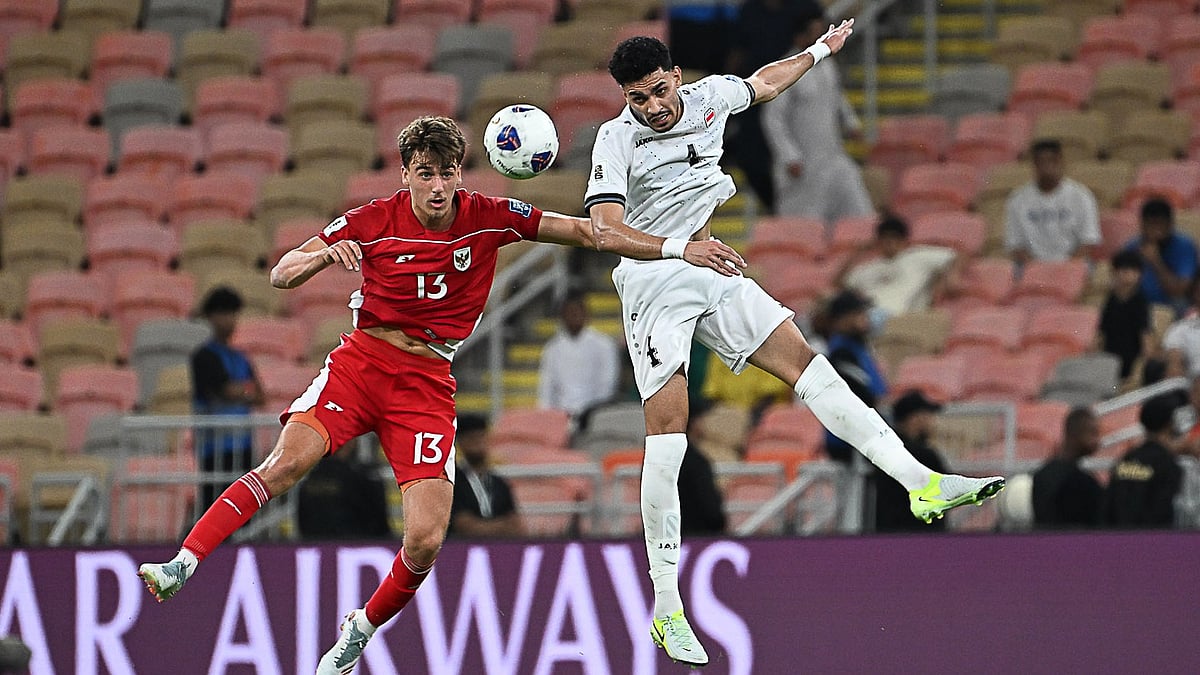
Outlook. (2025, October 12). Indonesia vs Iraq during the World
Cup qualifiers [Image]. Outlook. https://media.assettype.com/outlookindia/2025-10-11/iaao1mjz/AP25284733072028.jpg??w=1080&auto=format%2Ccompress&fit=max
FIFA. (2025, October 17). Men’s World Ranking. Retrieved
26 October 2025, from https://inside.fifa.com/fifa-world-ranking/men
Wang, S., Shen, M., Qin, Y., & Li, P. (2024). The impact of
league quality and player distribution on the performance of women’s
national football teams. Research Square. https://doi.org/10.21203/rs.3.rs-5345296/v1
Sportskeeda. (2015, July 16). Top 5 Domestic Leagues [Image].
Sportskeeda. https://staticg.sportskeeda.com/wp-content/uploads/2015/07/best-league-europe-1436689762-800.jpg
Transfermarkt. (n.d.). Transfermarkt football database.
Retrieved 27 October 2025, from https://www.transfermarkt.com