Advanced Analytics for Smarter Pricing Decisions in Retail
Armin Kakas | Analytics For Competitive Advantage @ Carlson MSBA
October 5, 2015
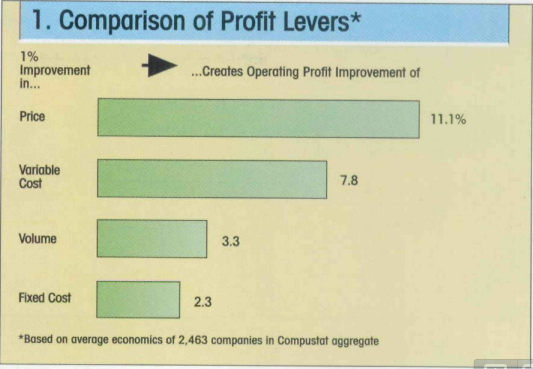
Pricing most impactful business lever
Let's look at some real world examples
- 2014 Income Statement components for top retailers
- (Revenue - Cost of Goods Sold) = Gross Profit
- (Gross Profit - Selling, General & Administrative Expenses) = Operating Income
- (COGS + SG&A) = Operating Expenses
- (Revenue - Operating Expenses) = Operating Income
How things looked in 2014
...with X % improvement in COGS or prices
Who "owns" pricing?
- Pricing teams typically organized under Finance, Planning or Marketing
- Pricing decisions in retail traditionally reside with merchants (buyers)
- Have to deal with merchandising, operations, new product intros, cost negotiations, etc.
- Managerial folklore tends to overtake
- Centralized, in-house pricing teams are most effective:
- Pricing analytics and strategy
- Pricing systems and operations
Pricing teams need to own pricing (like Finance owns finance, etc.)
- Price setting should be data-driven and automated
- At least for the long-tail (e.g.: 90% of product assortment)
What is the right pricing strategy?
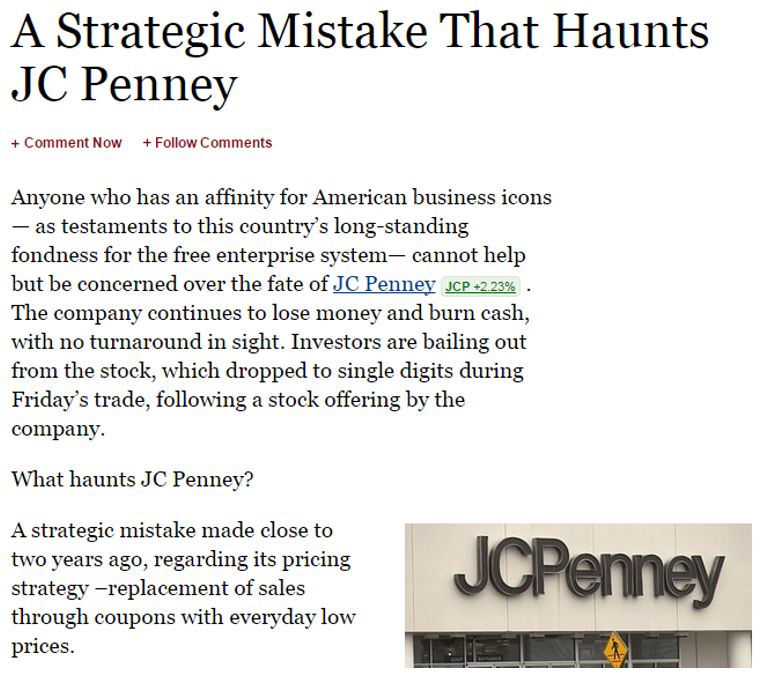
- EDLP vs. High-Low vs. Hybrid
- EDLP: Walmart, Winn-Dixie, Home Depot, Aldi, Costco
- High / Low: Khol's, Meijer, many mid-size grocers
- Hybrid: Publix, Giant, Fred Meyer
National vs localized
Brick & mortar vs. online channel parity
- Or strategic differences to exist
Manual vs. automated price setting
Key pricing considerations
Strategic
- Delivering on financial results for key stakeholders (duh!)
- Price competitiveness
- Where do I need to be competitive?
- Where do I need to beat competition?
- Where is it okay to be higher priced than competition?
- Price perception
- Can I raise price and still improve consumer perception?
- Pricing strategy needs to support product / category / business unit goals
- Improve market share, revenue or margin?
- Price wars usually do not end well
- Departure from core pricing strategy needs to be done carefully
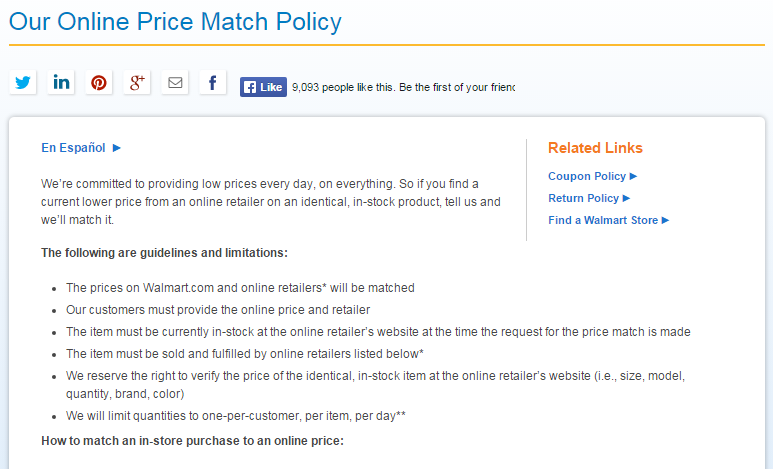
- Price match guarantees are great PR and effective strategy to self-segment price conscious customers
What pricing changes would you make?
Don't depart from core pricing strategy
Price match guarantees are effective
Tactical
- Price increase is not just about raising prices
- Product mix shift can be powerful
- New product innovation at a higher price per unit (per ounce, per lbs, etc.)
- Price implementation needs to be systematic, fast and flexible
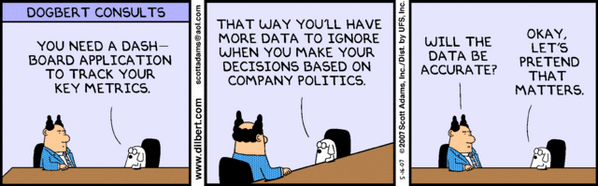
- Controls must be in place
- Errors flagged before being implemented
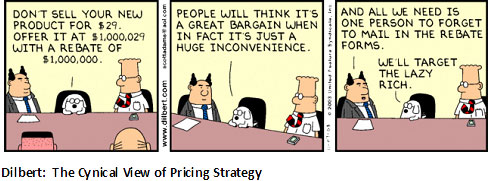
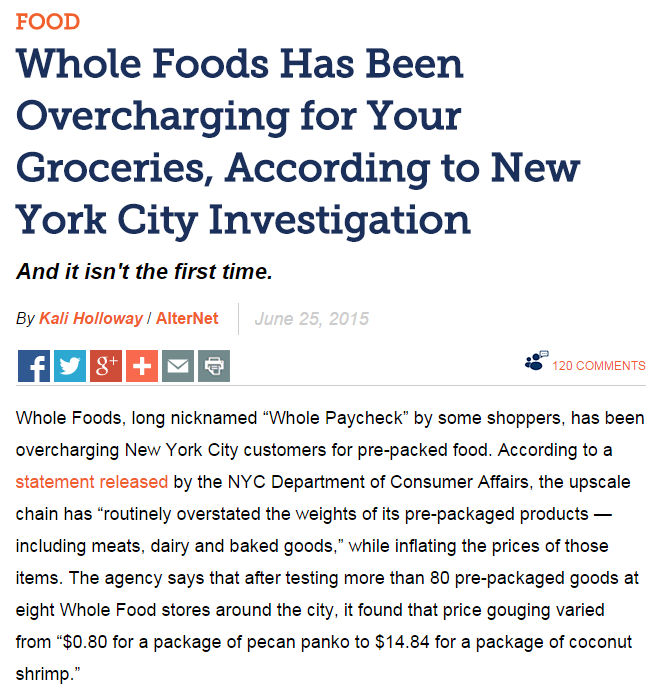
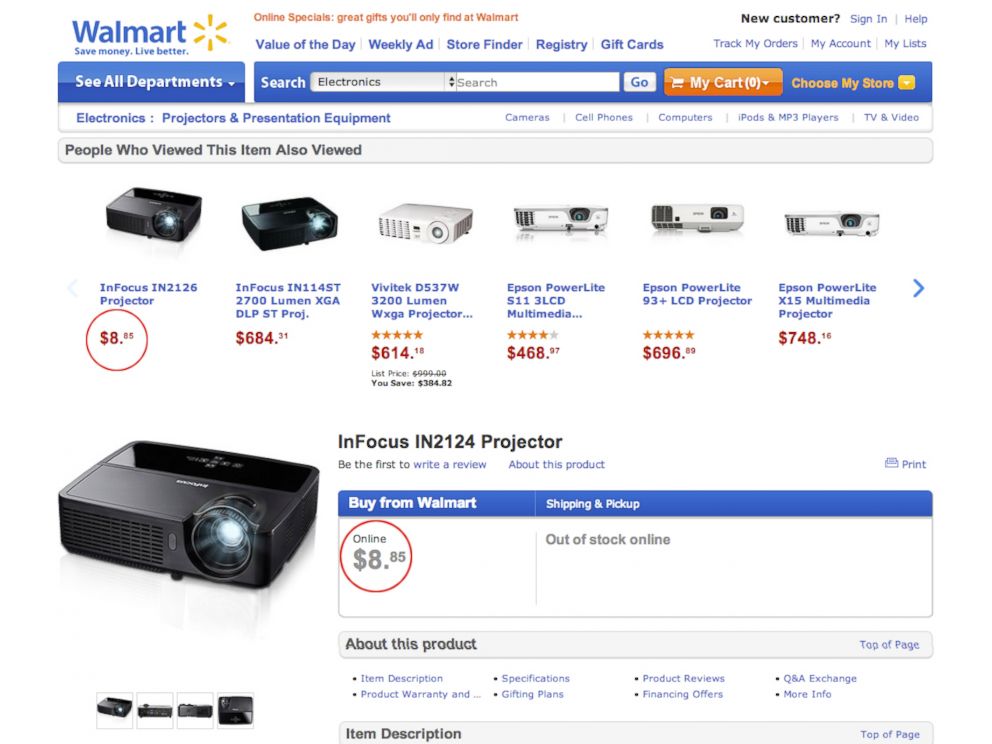
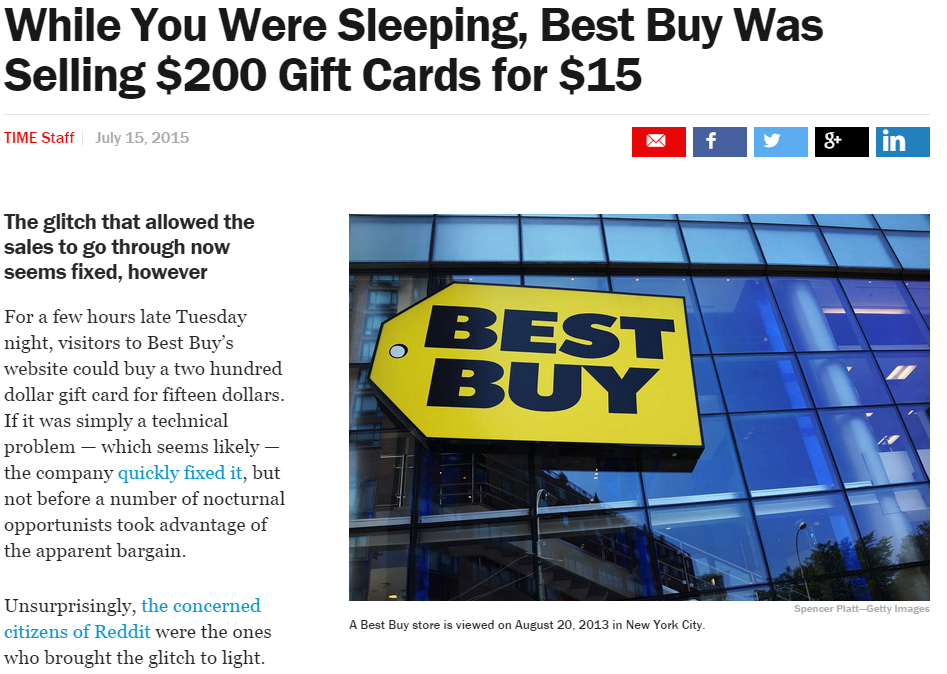
Pricing mistakes can erode reputation
Errors become public almost instantly
Competitive (and own) prices transparent
- Pricing information is public
- Retailer APIs (look at Terms & Conditions first!)
- Company ecommerce channels (website and mobile)
- Price aggregator / comparison shopping sites
- High level price figures from information providers (Nielsen, IRI)
- Retailers are aware of competitors' prices
- Weekly, daily, sometimes hourly
- Web scraping is taboo, but everyone is doing it
- Explosion of specialist firms in recent years
The role of (OS) analytics in pricing
Analytical maturity varies at retailers
- 40-60% of retailers engaged in analytical initiatives to improve pricing (and promotions) analytics
- ~50% of retailers remain at opportunistic and ad-hoc stages of maturity
Be prepared to drive decisions with data!
Why open source analytics?
- Pricing analytical flexibility and creativity
- Attract top talent
- Ensure latest statistical and machine learning methods
- Cheap(er)
- It is becoming more and more popular
- Open source and commercial software can co-exist
Smart, reproducible price analytics are key
- Data-driven pricing decisions > {heuristics, managerial folklore, gut-feel}
- For most physical retailers, simple analytics can make a big difference
- High-school math analysis: gains/losses, ratios, weighted figures, relative differences, etc.
- Essential machine learning: linear and logistic regressions, clustering, classification, decision trees
Real-time descriptive price analytics is most critical
- What happened in the past until now?
- Recurring exploratory analytics comes second
- The right technological and human capital must reside in-house for price analytics to be a core capability
- Advanced analytics useful, but need to get the analytical core right
- Predictive analytics (what may happen in the future?)
- Prescriptive analytics (pricing optimization)
Data sources and how to monetize them
- Point-of-sale (POS) data
- Basis for real-time descriptive analytics
- Evaluate price sensitivities (elasticities) to determine where to right-size pricing
- Cluster products and stores based on revenues, profitability, market share, econometric data, etc.
- Determine effectiveness of promotional strategies
Competitive pricing data
- Ensure price competitiveness where it matters…(RE: price sensitivities and price perception)
- Monitor competitors' compliance to industry-specific pricing regulations
- Online / clickstream
- Customer comments for online ratings and reviews to determine which products drive price perception
- Product pageviews and conversion rates for descriptive analytics and clustering
Social media (twitter, blogs, etc.)
- Social media feeds to evaluate how consumer sentiment changes with certain pricing strategies
The goal is to positively impact market share, revenues, margin and price perception
What shifts in strategy would you explore?
The importance of textual data is growing
- Social media, blogs, and more importantly consumer ratings and reviews can and should be analyzed for insights
- In pricing, we care about evaluating which products drive price perception
- To what extent do they drive it?
- How does price influence price perception?
Most consumer reviews for retail products are fairly explicit
- Again, simple analytics can drive powerful insights
- No need for complex text mining (unlike for blogs, articles, etc. where context is important)
Customer comments can be a genuine expression of sentiment
- What type of analysis would you do with customer comments?
- What about segmentation strategies?
www.bestbuy.com
Summary
- Pricing is the most powerful business lever (and it can be fun!)
- Be price competitive where you need to be
- Don't give up $$$ unnecessarily
- Simple things will make a big difference in business results
- Develop your price analytics core first
- Near real-time, descriptive and exploratory analysis
- Listen to what your customers are saying (commenting, tweeting, blogging)
- Analyze them and adjust strategies accordingly